
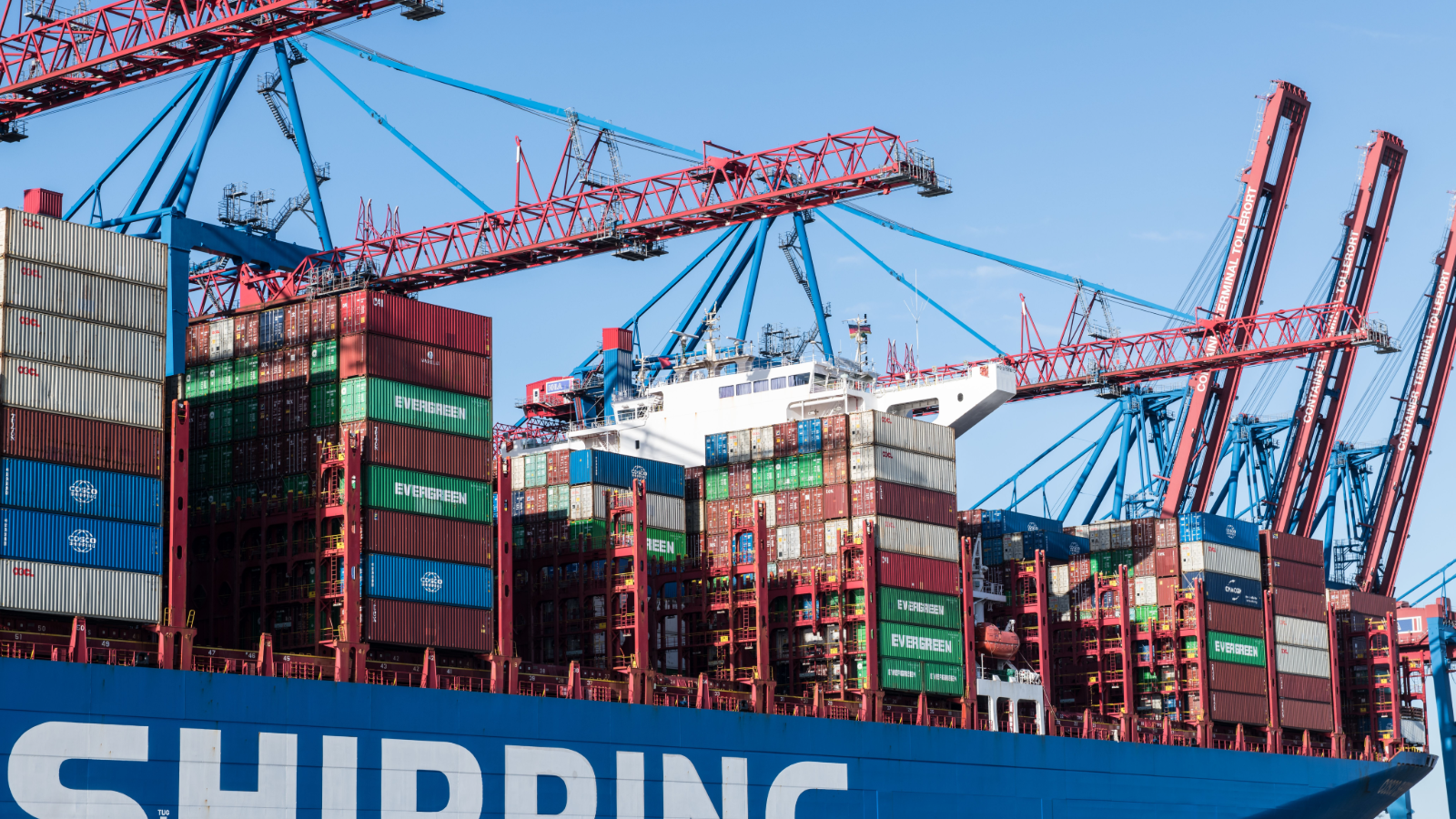
$605M trade surplus in August: Mexico exports more than it imports for first time in months
Mexico's National Institute of Statistics and Geography published on September 25 the August 2026 merchandise trade balance data: Mexico recorded a $605 million trade surplus — the largest in several months and the most direct signal that the nearshoring-generated export boom has sufficient scale to move the most visible macroeconomic indicator of the Mexico-U.S. trade relationship. (Source: INEGI / Infobae, September 2026)
That number matters for reasons beyond macroeconomic statistics. August 2026's trade surplus confirms nearshoring export manufacturing isn't just in announcements and investment reports — it's in real production, real shipments, and real foreign exchange income the trade balance records. Plants in Coahuila, Nuevo León, Chihuahua, Querétaro, and the Bajío are exporting at a scale making Mexico sell more to the world than it buys in August — something not occurring at that magnitude in prior months.
What is driving the export boom
INEGI's July 2026 IGAE, published simultaneously, shows Mexico's economic activity grew 3.3%-3.4% annually in July — driven by the secondary (manufacturing) and tertiary (services) sectors. That combination — growing manufacturing and exports exceeding imports — is nearshoring working as it was designed to work: advanced manufacturing installed in Mexico producing for the U.S. market and generating foreign exchange strengthening the country's trade position. (Source: INEGI Bulletin 603/26 / El Tiempo Monclova, September 2026)
Sectors most contributing to August's export boom are the same concentrating the greatest nearshoring investment: automotive and auto parts, electronics, medical devices, and aerospace. Those four sectors together represent approximately 65%-70% of Mexico's manufacturing exports — and are exactly the sectors receiving the largest foreign direct investment wave in the 2023-2026 cycle.
Banxico distances itself from the Fed — and what that means for industrial investment
Simultaneously with the trade balance data, Banxico last week made a monetary policy decision with direct implications for the industrial investment market: it held the interest rate at 6.50% for the third consecutive time, ruling out mechanically following the Federal Reserve in its cuts. The decision reflects the central bank's stance of not anticipating cuts until inflation and the peso trajectory give clearer signs of convergence toward the target. (Source: Banxico / El Financiero / El Universal, September 2026)
For the industrial investment market, Banxico's decision has a two-level reading. The first is financing cost: a 6.50% rate in Mexico, with the current differential versus the U.S. rate, keeps the peso in a position favoring competitiveness of Mexican manufacturing costs expressed in dollars. Manufacturing paying wages in pesos and selling in dollars benefits from an exchange rate the rate differential helps keep stable.
The second level is institutional credibility signal. A central bank distancing itself from the Fed when local conditions justify it — rather than mechanically following Washington's decisions — is a central bank managing its monetary policy based on the Mexican economy's fundamentals, not another economy's cycles. That independent judgment is exactly what international institutional investors value when evaluating country risk for their long-term Mexico investments.
Key insightThe combination of $605M trade surplus in August and economic activity growing 3.3%-3.4% in July, in a context where Banxico maintains independent monetary policy and USMCA remains in force, is the most favorable macroeconomic scenario Mexico has presented in years for long-term industrial investment. It is not the rapid growth scenario of 2021-2022 — it is something more valuable for ten-year investment decisions: a stability and moderate growth scenario with solid fundamentals. Companies making location decisions with a ten-year horizon don't need Mexico to grow at 5% — they need Mexico to be predictable, stable, and competitive in export manufacturing. August 2026 confirms all three. (Source: INEGI / Banxico / El Financiero, September 2026)
Want to understand how Mexico's 2026 export performance translates into industrial infrastructure demand in the corridors leading exports? Also read: AMPIP: $5.83B in parks 2026 and the gap between arriving manufacturing and supporting infrastructure
Sources: INEGI (inegi.org.mx) · Infobae México (infobae.com/mexico) · Banxico (banxico.org.mx) · El Financiero (elfinanciero.com.mx) · El Universal (eluniversal.com.mx)
EL ANÁLISIS INDUSTRIAL DIRECTO EN TU CORREO.
Cada semana publicamos noticias, datos y perspectivas del mercado industrial en México.